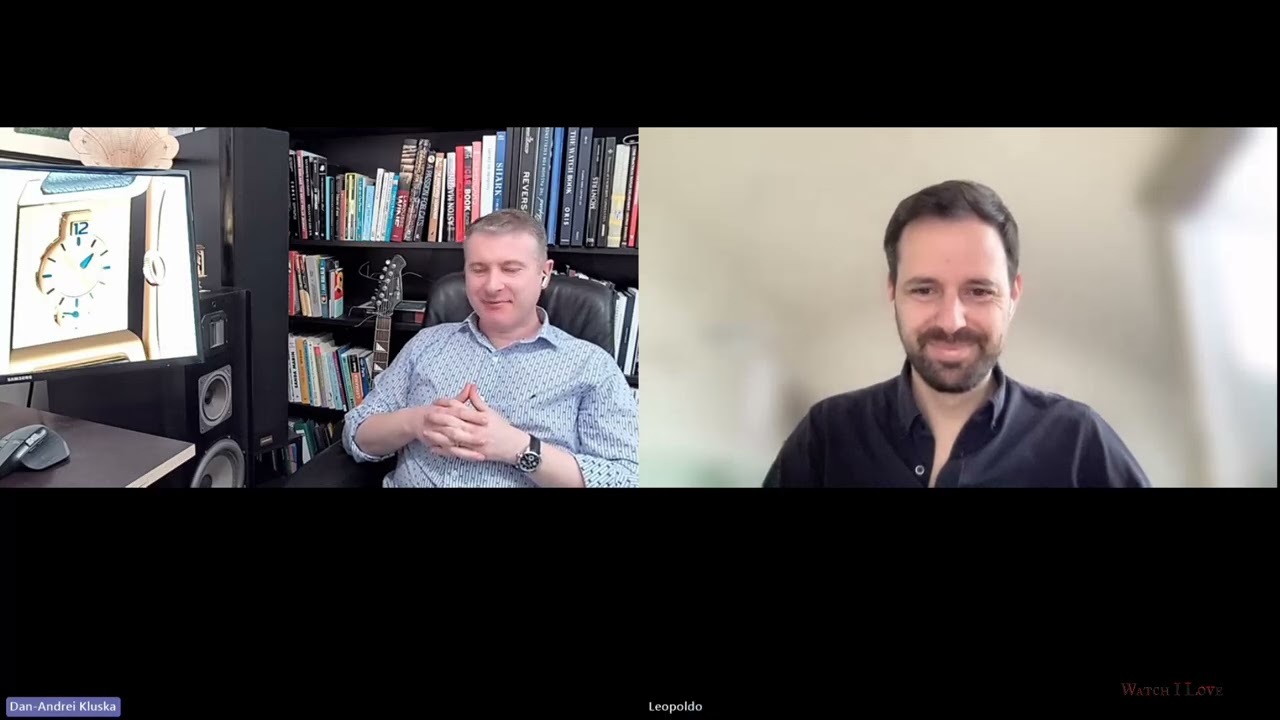
Niton returns to the horological stage with a technical punch that demands immediate attention. After decades of silence, this historic Geneva name re-emerges under the leadership of Leopoldo Celi and Yvan Ketterer. I recently sat down with Leopoldo Celi to discuss this ambitious revival, and you can watch our full video interview below. This introduction provides the essential technical context for the brand and its debut timepiece, the PRIMA.


Auguste Jeannet, Alfred Bourquin, and Edouard Morel founded Manufacture des Montres Niton in 1919. The maison quickly established itself as a premier specialist in ultra-thin movements and complex shaped calibres. During its golden era, Niton supplied high-grade movements to prestigious houses, including Patek Philippe, Cartier, and Vacheron Constantin. The brand consistently ranked among the top three performers in Geneva Observatory chronometry competitions. Its 1928 digital jump-hour display remains its most iconic technical signature, a complication that defines the current renaissance.

The PRIMA serves as the inaugural chapter of this revival. Niton chose a rounded rectangular case measuring 27 by 35.5 mm with a slender 7.9 mm profile. The dial follows a “Totem” architecture where all indications align vertically. A digital hour aperture sits at twelve o’clock, followed by a rotating azuré minute disc and a sweeping seconds hand at six o’clock. This layout ensures maximum legibility and emphasizes the mechanical rhythm of the movement.

Inside, the in-house manual wound calibre NHS01 delivers several impressive features. This shaped movement earns both the Geneva Seal and ISO 3159 Chronometer certification, a rare dual achievement for an independent brand at launch. It operates at 4Hz with a variable inertia balance and a Breguet overcoil hairspring. The mechanism provides a 72-hour power reserve. Two discreet complications enhance the user experience: a striking jump-hour that produces a subtle “click” via a copper gong and a stop-to-zero function for precise time setting. When you pull the crown, the seconds hand returns to zero instantly.

Niton limits production to 19 pieces in 950 platinum and 19 pieces in 18K rose gold, honouring its founding year. The pink gold version costs 44,750 CHF, while the platinum model carries a price of 47,750 CHF, both excluding VAT. This release marks a confident return to haute horlogerie that prioritizes mechanical integrity and historical continuity. Watch the interview with Leopoldo Celi to learn how he intends to steer this legendary manufacture into the future.